Snickers Rhetorical Analysis
ENGL 1101 · Rhetorical Analysis
Snickers Rhetorical Analysis
“You’re Not You When You’re Hungry”
Phi Anh Lam
Professor Bleyle
ENGL 1101
7 October 2026
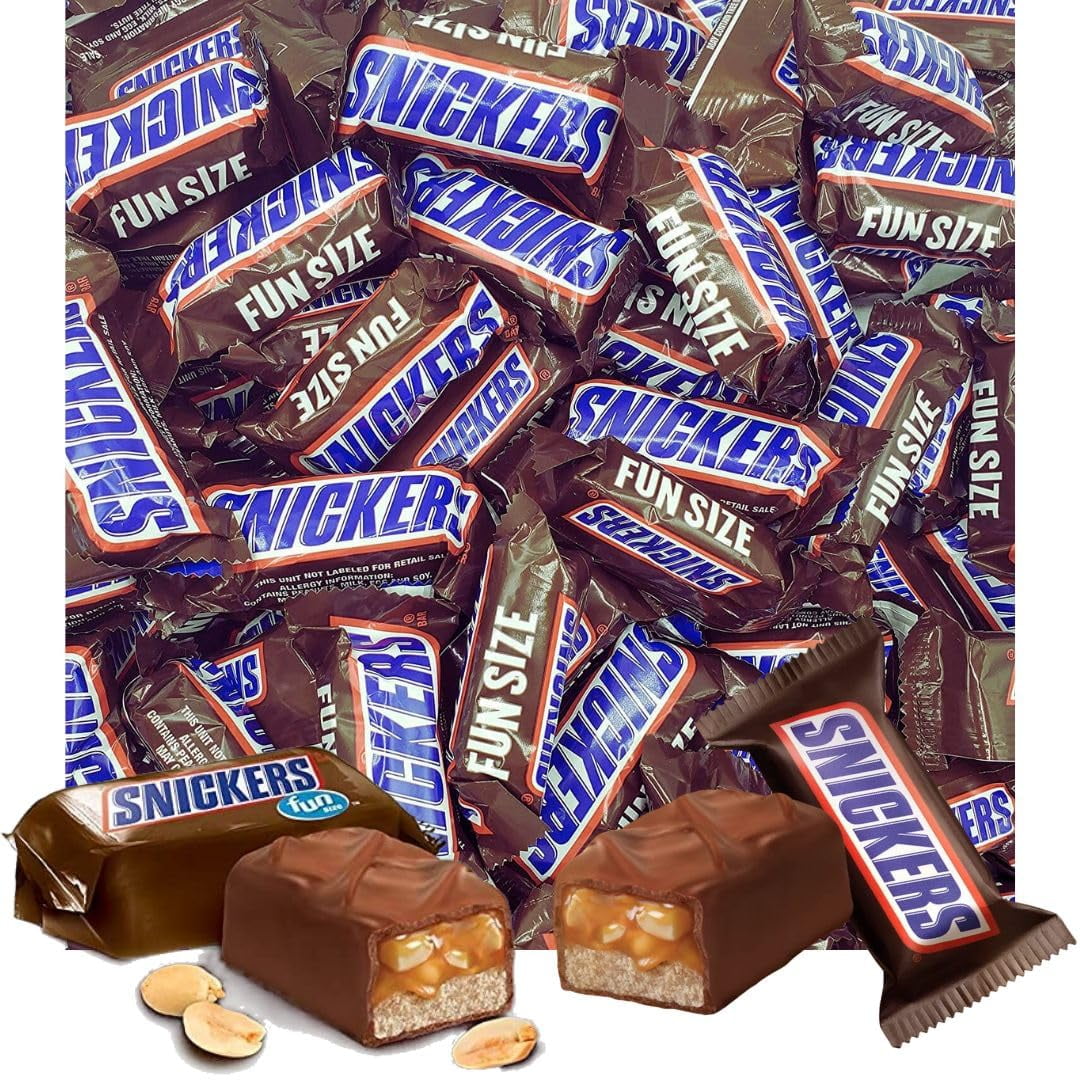
One of the brands of chocolate bars available today is Snickers from Mars, Incorporated. The first Snickers bar was produced in Chicago in 1930 at a cost of five cents per piece. According to the company's website, the bar was named after a horse owned by the Mars family (“Our Story”). In recent years, Snickers has created some remarkable advertisements. The “You’re Not You When You’re Hungry” campaign gained widespread attention when Snickers introduced its memorable Betty White commercial during Super Bowl XLIV in 2010. Advertising Snickers during the Super Bowl was an excellent marketing strategy because the event attracts a large television audience, allowing the company to reach many viewers at once. Moreover, the Super Bowl is famous for its humorous commercials, making it an ideal opportunity for Snickers to use humor and a celebrity in its advertisement. Using humor and exaggerated situations, the campaign demonstrates how hunger can affect people's behavior and personality.
Another interesting advertisement in this campaign shows Betty White playing in a football game. The opening scene shows several men playing football, but a player named Mike, portrayed by Betty White, struggles to play and gets tackled, becoming a hindrance to the other players. The football setting makes the advertisement more relevant to people who enjoy watching or participating in sports because they can recognize the importance of teamwork and good performance. Mike’s problems demonstrate how one struggling player can affect the whole team, creating a situation familiar to sports fans. Betty White represents Mike’s poor football performance, making his actions appear much weaker than those of the other athletes. This contrast creates laughter as the audience sees a well-known older actress struggling in an activity that requires strength and fitness.
The other players become frustrated with Mike until his girlfriend gives him a Snickers bar. After he takes a bite, Betty White suddenly transforms back into Mike, who is portrayed by a different male actor. The slogan “You’re Not You When You’re Hungry” appears at the end of the commercial and supports the advertisement’s main theme: hunger may affect a person’s behavior, personality, and, in this case, performance. The slogan, together with Mike’s dramatic transformation after eating a Snickers bar, encourages viewers to associate Snickers with improved performance and mood.
The success of the advertisement comes from its use of ethos, pathos, logos, and humor. Betty White’s celebrity status, the relatable situation, and the clear cause-and-effect relationship between hunger and behavior make the message memorable and encourage viewers to associate the product with hunger relief. In addition, Betty White’s appearance creates an element of surprise because viewers do not expect to see an older actress playing a physically demanding game like football. This strategy also makes the commercial memorable because audiences may remember the funny appearance of the actress from The Golden Girls instead of an ordinary football player. Since Betty White had a long career in the entertainment industry, she could attract viewers from different generations. Older viewers might recognize her from other television shows, while younger viewers might find her unexpected role in a football commercial amusing. By attracting people of different ages, Snickers makes its advertisement more memorable. Instead of showing a typical hungry football player, Snickers uses an unusual character to make the audience laugh while keeping the product at the center of attention.
Humor
Humor is one of the key tools Snickers uses to draw viewers’ attention. It creates surprise by contrasting an older woman, Betty White, with a muscular football player. Snickers avoids discussing hunger in a scholarly or scientific manner. Instead, it exaggerates the symptoms of hunger to entertain the audience. The inclusion of a celebrity also helps attract viewers who recognize her. Furthermore, using a well-established celebrity contributes to ethos because it makes the advertisement recognizable and connects the brand with a familiar personality. Nevertheless, Betty White’s celebrity status does not mean that the snack is healthier than other products.
Pathos: Emotional Connection
Pathos is also a significant rhetorical technique in this advertisement because it creates an emotional connection with its intended viewers. Although the situation is exaggerated, the emotions are realistic and relatable. People often get hungry and become annoyed or angry with their circumstances. By making the character’s behavior humorous, the brand uses a familiar experience without making the advertisement too serious. Viewers can easily recall moments when they were hungry and behaved differently, allowing them to identify with the advertisement.
The Product Message and Its Limitations
Another important factor is that Snickers portrays its product as an ideal solution to hunger. The advertisement emphasizes Mike’s quick and funny change in behavior rather than explaining the nutritional content of the candy bar. This emphasis shows the main purpose of the advertisement: to entertain viewers and persuade them to buy Snickers by suggesting that it can satisfy their hunger, rather than explaining the nutrients contained in the candy bar. As a result, viewers receive little information about the product’s nutritional value. Nevertheless, advertisements often highlight positive aspects of a product while ignoring information that could affect a customer’s decision-making process.
Logos: Cause and Effect
Additionally, the advertisement appeals to logos through an obvious cause-and-effect relationship between hunger and behavior. When Mike is hungry, he performs poorly and annoys his teammates. After eating a Snickers bar, however, he regains his composure and behaves normally again. This sequence is intended to make viewers believe that Snickers can help people feel like themselves when they are hungry. The logic behind this argument is oversimplified for comic effect rather than supported by scientific evidence. Although eating can relieve hunger, the commercial does not provide proof that eating a Snickers bar will make everyone’s day better.
Conclusion
Finally, through its use of humor, ethos, pathos, and logos, Snickers has made its “You’re Not You When You’re Hungry” commercial memorable and persuasive. Betty White’s presence captures viewers’ attention, while the familiar experience of hunger helps them identify with the advertisement. The cause-and-effect relationship between hunger and behavior also encourages people to consider Snickers as an easy solution. Although the advertisement oversimplifies this relationship and provides little information about the snack’s nutritional content, its humorous approach and rhetorical techniques help it achieve its primary goal of persuasion.
Works Cited
Nestle, Marion. “Eating Made Simple.” Food Matters, 4th ed., edited by Holly Bauer, Bedford/St. Martin’s, 2025, pp. 37–45.
“Our Story.” Snickers, www.snickers.com/our-story. Accessed 5 Oct. 2026.
“Snickers Commercial - Football - You Are Not You When You Are Hungry.” YouTube, uploaded by funwithads, 19 Dec. 2010, www.youtube.com/watch?v=dbpFpjLVabA.
The Ad Accelerator. “This Snickers Ad Skyrocketed Sales by 16%.” LinkedIn, 11 June 2025, www.linkedin.com/posts/this-snickers-ad-skyrocketed-sales-by-16-ugcPost-7338465084047822849-yBET/.
ENGL 1101 · Snickers Rhetorical Analysis
Comments
Post a Comment